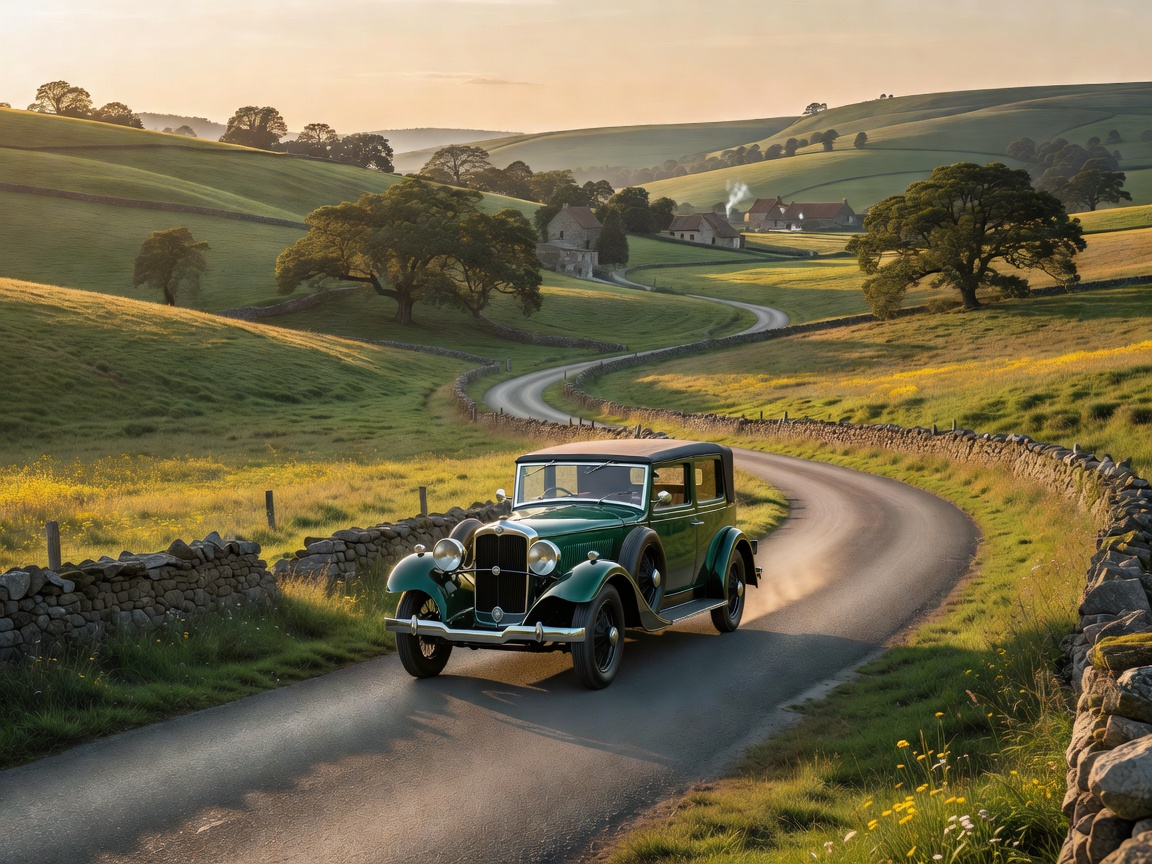
A grand tour is a chain of decisions: how far to drive, where to rest, what to carry and how much flexibility to keep. The route should remain useful when traffic, weather or a late start changes the day. Do not confuse a long itinerary with a good one.
Sequence the journey
Start with the trip’s fixed points, then draw sensible legs between them. Consider road type and complexity alongside distance. A motorway transfer, a mountain crossing and a coastal section place different demands on driver attention. Avoid stacking the most demanding roads at the end of a long day. Include time for meals, refuelling, charging and unplanned delays.
Map the route in order and review each connection. Check that the selected road does not depend on access that may be seasonal or restricted. Build a fallback for any critical crossing. When several countries are involved, confirm border requirements and vehicle documentation through current official sources. Requirements vary by jurisdiction and may change; this guide is not legal advice.
Daily distance and driver energy
There is no universally correct daily distance. Road type, traffic, stops, daylight, weather and driver experience all matter. A shorter leg on a complex road can occupy more attention than a longer motorway transfer. Treat route-planner time as an estimate. Add breaks, navigation pauses, fuel or charging time and a margin for delays.
Make the end point attainable without pressure. If the day slips, shorten the scenic section or stop earlier. Driving tired reduces the quality of decision-making. Rotate drivers only when each is insured, authorised and comfortable with the vehicle. Agree on breaks and stop before fatigue becomes a problem.
Overnight stops, luggage and parking
Choose accommodation around the next day’s route and the car’s practical needs. Confirm parking arrangements, access width, height limits and whether the space can be reserved. Do not assume secure, covered or on-site parking is available. Verify directly with the provider before relying on a particular arrangement. This guide does not recommend or represent individual businesses.
Pack for the whole trip, but keep luggage within the vehicle’s storage and load limits. Secure loose items. A heavily loaded car can feel different and may need additional clearance. Keep documents, medication, water, a basic first-aid kit and charging equipment accessible without obstructing the driver or passenger. Avoid leaving valuables visible when parked.
Fuel, charging and border planning
Plan fuel stops across each leg, not only at the start and finish. Consider opening hours and alternative locations without assuming that a particular service is available. For electric or plug-in vehicles, check connector compatibility, network access, route elevation and charging availability. Confirm the information close to departure and have a backup option. Never plan to arrive with a margin that depends on ideal conditions.
For international journeys, review insurance cover, vehicle documents, driving permissions, roadside assistance and any required local equipment. Check toll systems, low-emission restrictions and payment methods with official sources. Keep records accessible in both digital and suitable offline form. Do not rely on a third-party route app for current legal rules.
Compare itinerary styles
Base-and-loop trips use one overnight location for several local drives. They reduce packing and simplify logistics, but repeat some roads. Point-to-point tours create a changing route and can reduce backtracking, but require reliable overnight and parking arrangements each day. Transfer-plus-scenic-leg itineraries separate distance coverage from slower driving, though the transfer day still needs realistic breaks and daylight planning.
Choose a format that matches the group’s tolerance for daily check-ins and luggage handling. One flexible day can protect the whole itinerary. Keep must-do roads limited and treat optional sections as optional.
Good for
Drivers planning a multi-day journey who want a clear daily structure without turning every stop into a deadline. It suits travellers willing to adjust the route and check logistics before booking or departure.
What to know
- Set daily legs around attention, road type and daylight, not ambition.
- Confirm parking and access directly before depending on them.
- Check fuel, charging, toll and border information through current sources.
- Leave space for rest, traffic and a shorter alternative.
- Secure luggage and keep the vehicle within its load limits.
Build the itinerary
Put the route in a table or offline note: start area, intended road, planned rest point, next service opportunity, overnight area and a fallback. Share it with the people travelling. Check forecasts and traffic information before each leg. Keep navigation updated where possible, but do not interact with a screen while driving.
Respect local communities and road users throughout. Follow local signs, toll instructions and parking rules. A considered tour leaves time to stop safely, change direction and arrive without rushing. That is a more dependable measure of route quality than the number of borders crossed.
Plan the night before you plan the next day’s road.